Almadía Confirms Award for 'Donde el agua trabaja' and Questions AI's Role in Literary Evaluation
Mexican publisher Almadía reaffirmed the award for 'Donde el agua trabaja,' highlighting that AI detection tools cannot conclusively reveal how literary works are created and cautioning against AI's influence on creative processes.
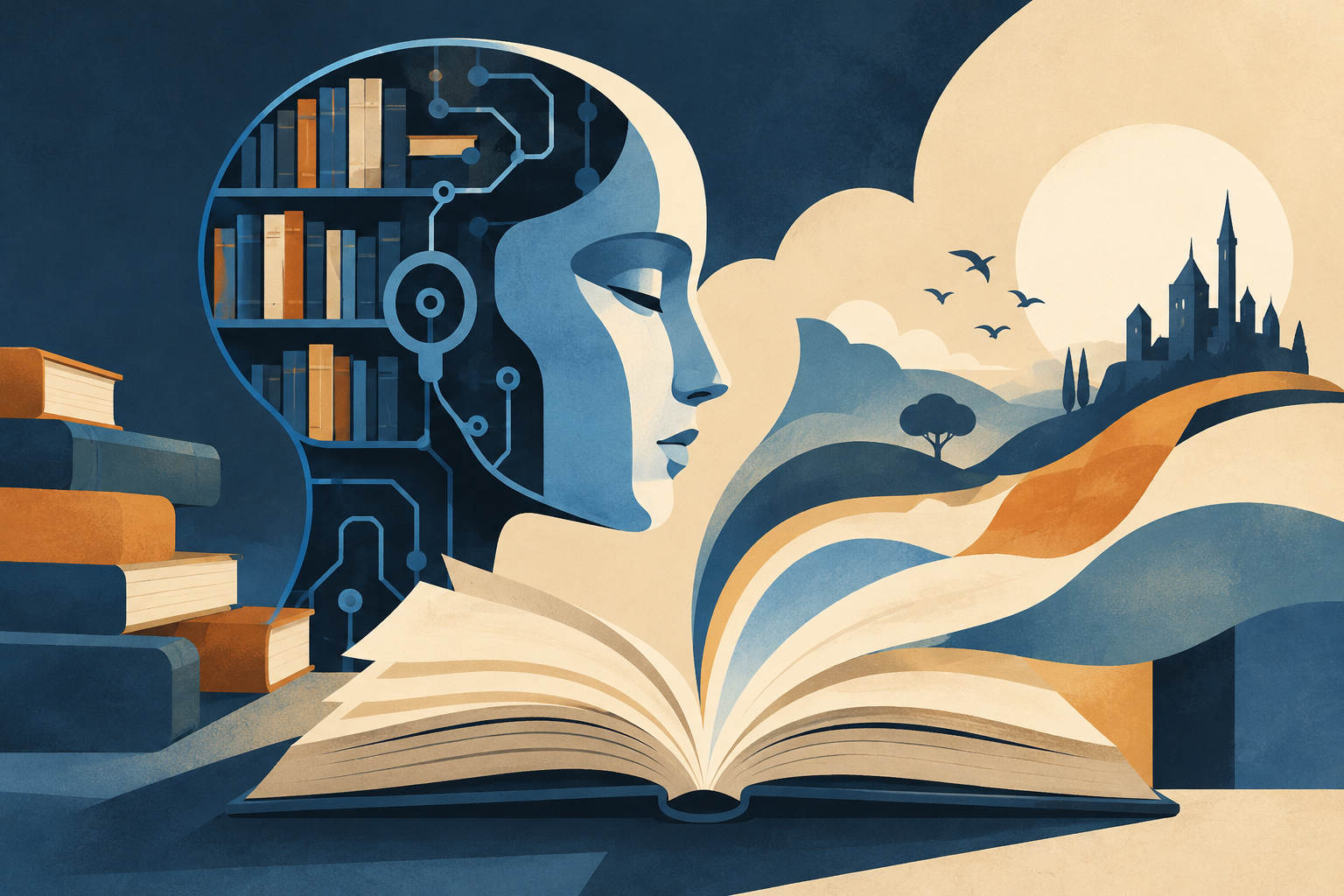
Context of AI in Literature Evaluation
As artificial intelligence tools increasingly enter creative fields, questions arise about their role in assessing and influencing literature. AI detectors analyze texts to identify machine-generated content, but their efficacy and authority remain debated.
Almadía's Position on AI Detection and Literary Awards
Almadía, a prominent Mexican publisher, has publicly confirmed the award for the book 'Donde el agua trabaja' amid controversy regarding whether AI was involved in its writing. The publisher stressed that results from AI detection technologies are insufficient to definitively demonstrate how a literary work was created.
Risks of AI Tools Influencing Creativity
The publisher also warned about the dangers of overreliance on AI detection tools potentially conditioning literary creation. If the creative process becomes overly shaped or constrained by AI evaluation standards, it could limit artistic freedom and diversity.
Broader Implications
This affirmation by Almadía highlights ongoing debates about AI's place in literature and creative industries. While AI can provide new opportunities and tools, its role as an arbiter of creativity and authenticity remains critical and controversial.
Applications and Future Considerations
Publishers, authors, and critics must carefully assess the limitations of AI detection and avoid letting algorithmic judgments overly dictate the validation of creative works. Balancing technological tools with human insight is essential to preserve artistic expression.