This AI Startup Aims to Discover New Drugs Without Using a Lab First
Backed by the UK government, Potential Sciences is training AI models with computer-generated biochemical data to speed up the traditionally slow drug development process.
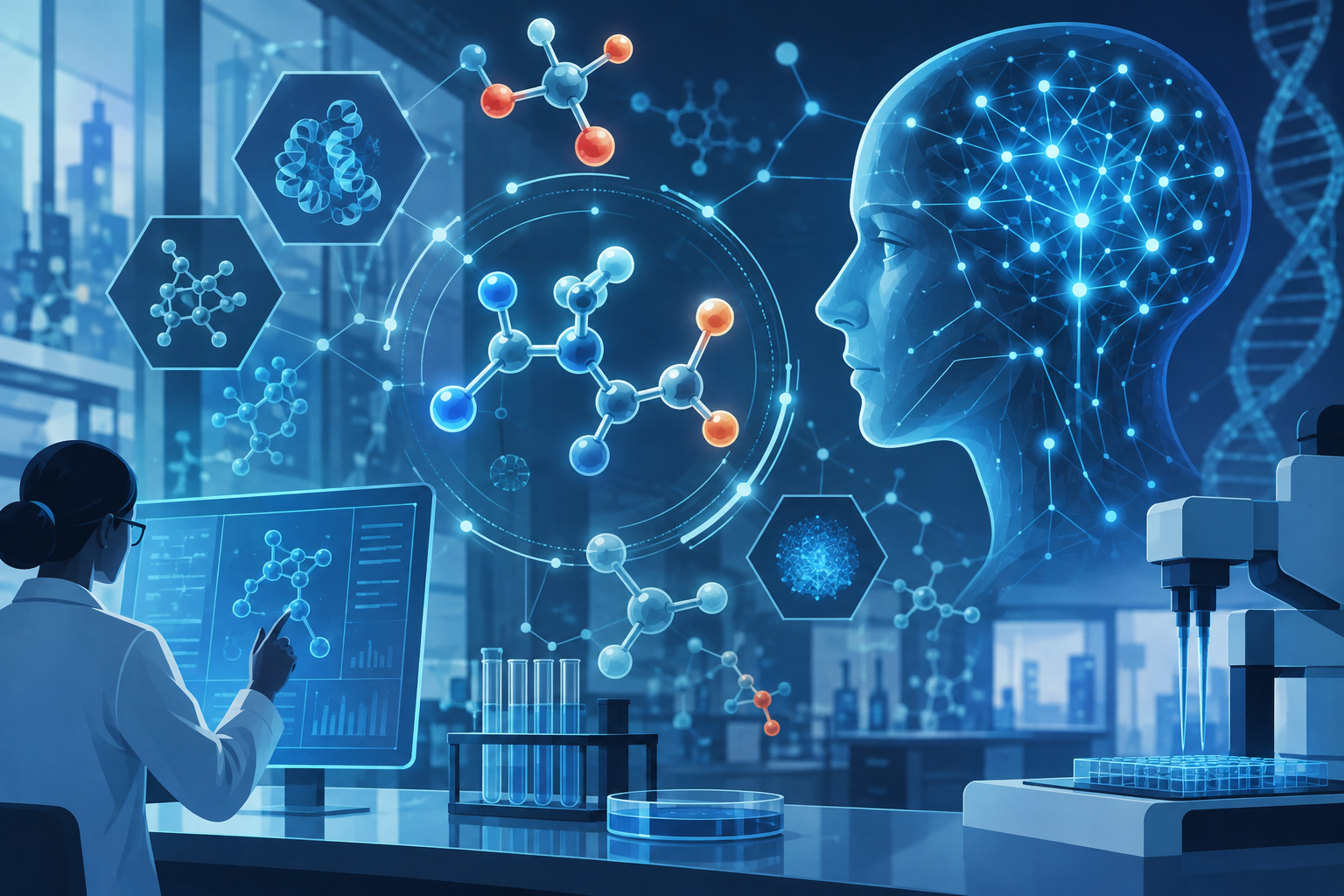
AI Transforming Drug Discovery
Potential Sciences, a UK government-supported startup, is pioneering the use of artificial intelligence to accelerate new drug development by bypassing traditional laboratory experiments initially. Instead of relying on physical lab work, the company trains AI models with biochemical data generated through computer simulations. This approach intends to dramatically reduce the time and cost associated with discovering novel pharmaceuticals.
Context and Challenges in Drug Development
Drug discovery traditionally involves lengthy laboratory testing on chemical compounds and biological targets, often taking years and significant investment. Computational methods have been gradually integrated to predict molecular properties, but they still depend on some empirical data. Potential Sciences’ move to fully utilize computer-generated biochemical data represents a leap in applying AI to simulate molecular interactions and drug efficacy in silico.
Applications and Prospects
If successful, this technology could revolutionize pharmaceutical research by allowing researchers to identify promising drug candidates faster and more cost-effectively before physical synthesis and lab validation. This could benefit development pipelines for complex diseases requiring personalized or novel treatments. The support from the UK government reflects confidence in AI-driven innovation for the life sciences sector.
The Road Ahead
While promising, this AI-driven approach to drug discovery will need to prove its predictions translate effectively into real-world lab results and clinical outcomes. Integration with traditional experimental workflows is likely necessary for validation, but by front-loading much of the research with AI simulations, potential breakthroughs in medicine could be realized much sooner.