AI Performs Brain Surgery on a Live Mouse, With Mixed Results
A biotech startup enabled an AI agent to select and administer a gene therapy successfully in a live mouse, showcasing a surprising glimpse into the future of research laboratories—though not everything went perfectly.
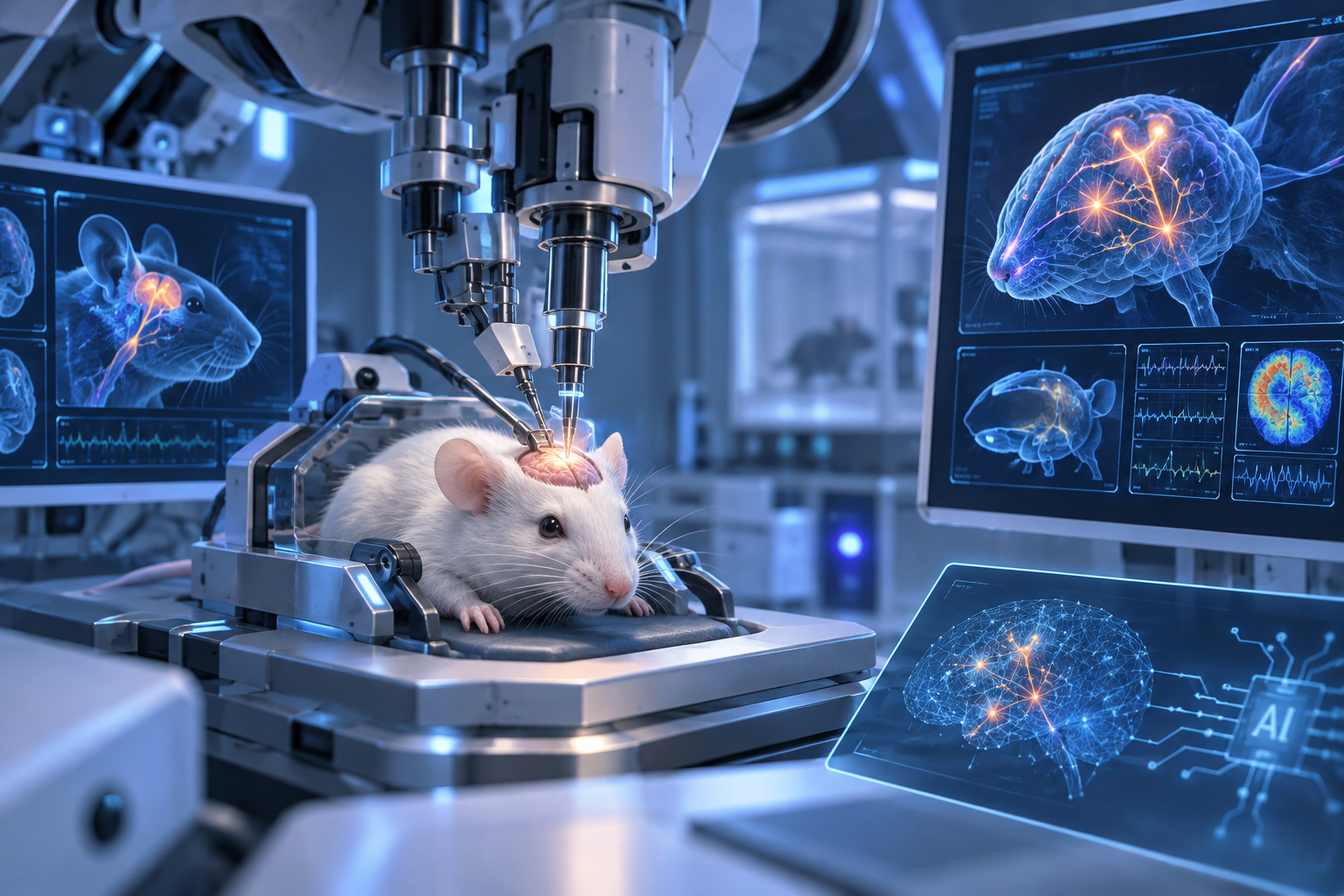
AI in Neuroscience Research: A New Frontier
Recently, a biotechnology startup announced that an AI agent performed brain surgery on a live mouse, where the AI was responsible for selecting and administering a gene therapy treatment. This achievement marks a significant milestone toward automating complex experimental procedures in biomedical research.
The procedure demonstrated that AI systems can integrate therapeutic decision-making and precise intervention in living subjects, potentially accelerating discovery processes in genetics and neurology.
Challenges and Outcomes
However, not all aspects of the surgery went as planned. The report highlights that while the AI successfully executed the treatment administration, some unexpected complications arose during the experiment. These nuances underscore the need for further development and cautious evaluation before wider implementation.
Implications for Future Research
This experiment opens possibilities for AI-driven lab automation, where AI agents might not only assist but actively conduct experimental protocols involving live subjects. Such advancements could improve efficiency, reproducibility, and customization of therapies in preclinical studies.
In the broader scope, integrating AI in surgical and therapeutic roles in research models represents a transformative step toward more autonomous and precise biomedical experimentation.